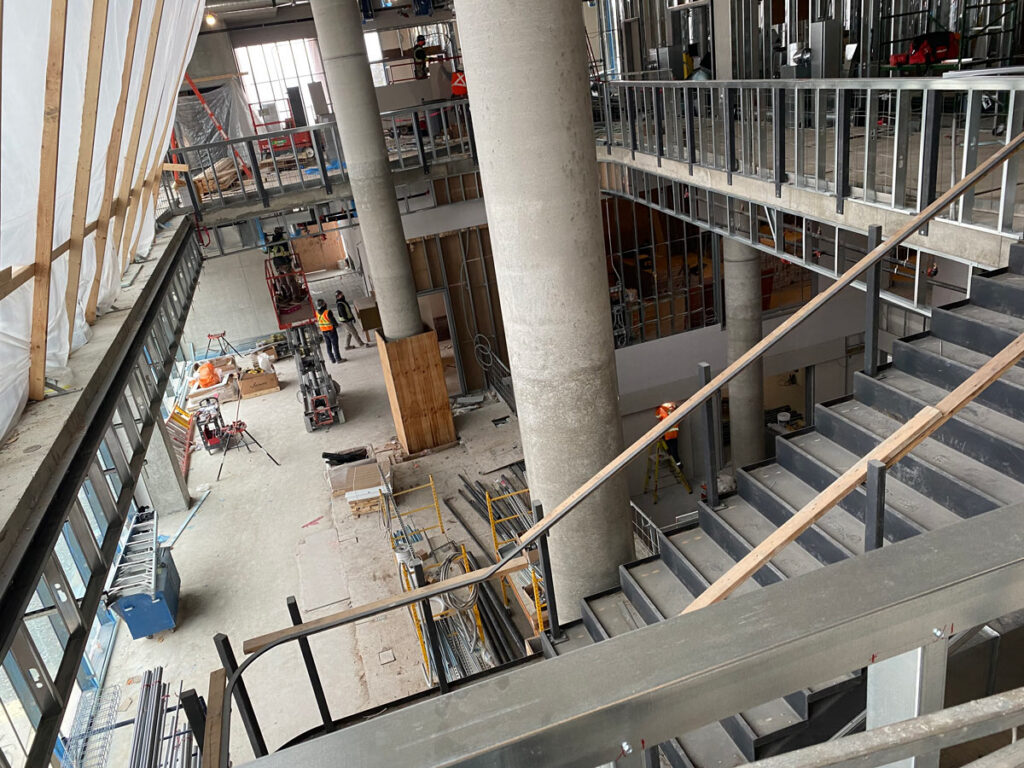
Approach
ACi has a practice-specific methodology.
Buildings are expensive. They last a long time. Decisions matter.
We don't begin with drawings. We start by understanding the institution, the people who use it, and the problem that needs to be solved. That is where the project begins.
Our team asks the right questions early, using research, consultation, programming, and analysis to uncover what matters most. ACi’s method tests assumptions to build a shared understanding before design takes shape. The result is a clearer path forward, architecture that is grounded in evidence, shaped by people, and designed with purpose.
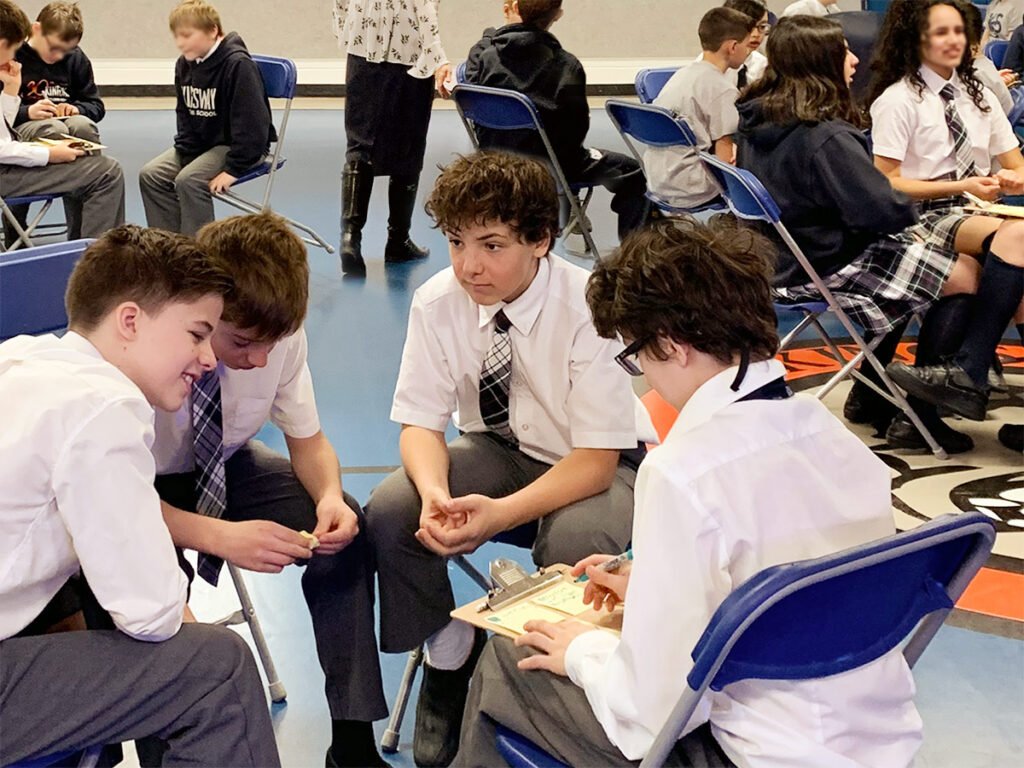
Understand
Every project begins with questions.
What are we trying to achieve? How does the institution work today? What should it become tomorrow? What do people need from space? What is working—and what isn’t? Where are the gaps, opportunities, and untapped potential? What needs to change, and what is worth preserving? How can the project support the institution’s larger goals?
We use research, benchmarking, consultation, programming, and planning to answer those questions. We test assumptions. We look for patterns. We interrogate the brief when it needs to be challenged.
The goal isn't more information. It's better judgement.
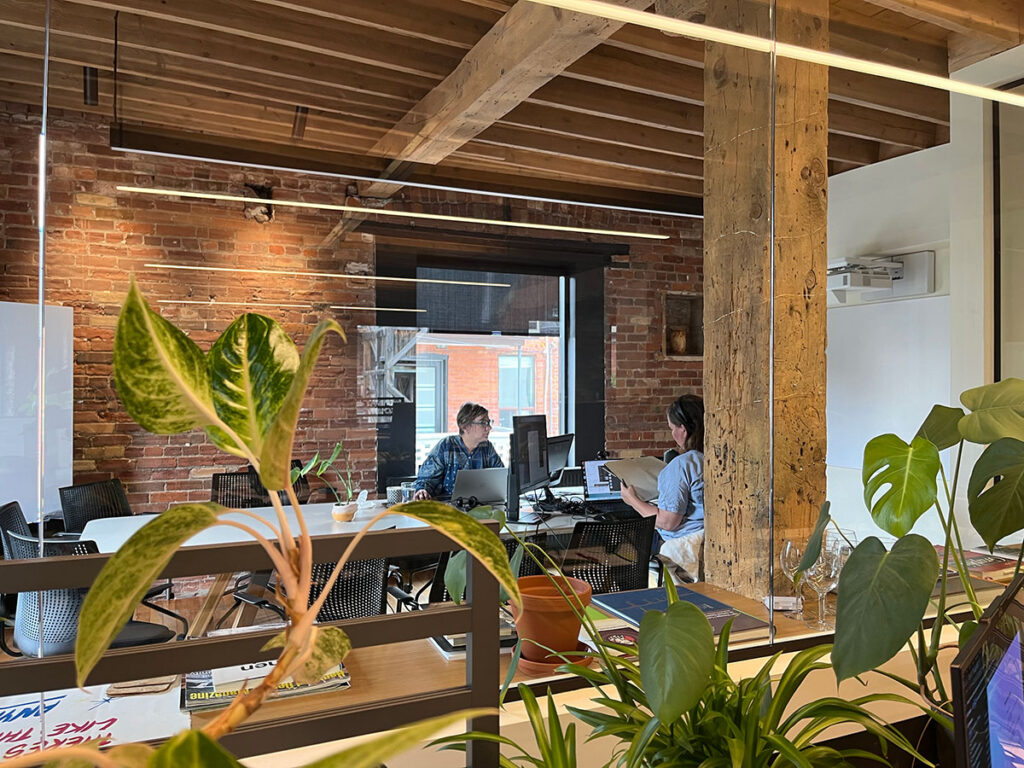
Align
Complex projects demand collaboration.
Institutions bring together many voices. That's a strength, but it can also make decision-making difficult.
Our role is to bring those voices together. We help clients, users, consultants, and technical specialists find consensus and move forward with confidence.
Alignment doesn't eliminate complexity. It gives it direction.
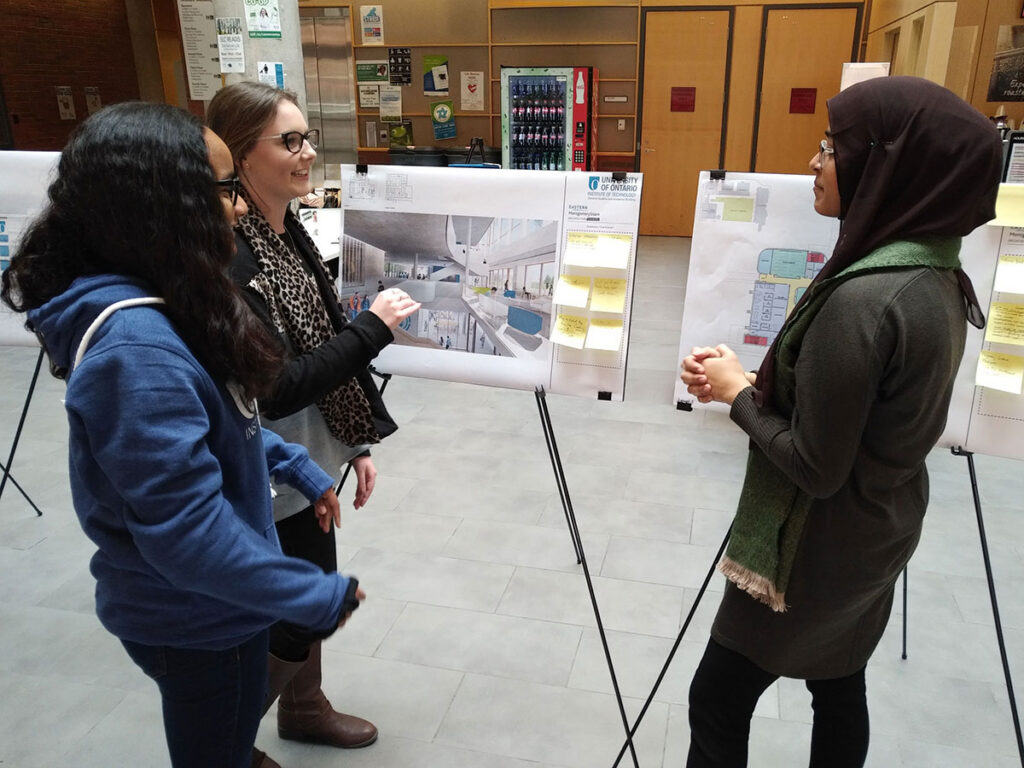
Build
Once the direction is clear, design becomes purposeful.
We design buildings from the inside out. Program comes first. The building grows from it. Design and technical thinking evolve together. Ideas are tested against budget, constructability, and long-term performance as they develop.
The result is architecture that works. It works for the people who use it, the people who build it, and the institutions that will depend on it for generations.